


Views: 0 Author: Site Editor Publish Time: 2026-10-04 Origin: Site


Transitioning to an automatic buffing line requires exact control over consumables. Manual compound application negates the consistency benefits of robotics entirely. Operators face serious challenges when fluid delivery becomes unpredictable. Improper wax application quickly leads to surface burns and excessive compound waste. It also causes inconsistent finish quality, directly impacting the cost per part. You need a reliable method to dispense polishing mediums automatically. Our objective is to provide a technical, step-by-step framework for integration. We will explore how to set up fluid delivery hardware correctly. You will learn proven strategies for ensuring precise atomization and controller synchronization. This comprehensive guide helps engineers eliminate guesswork and achieve minimal downtime across their facilities. By mastering these setup principles, you ensure maximum efficiency.
Component Selection: Success relies on matching gun nozzle sizes and pressure tanks to the specific viscosity of the liquid polishing compound.
Integration: True automation requires seamless PLC handshakes between the spray system and the automatic buffing machine to control spray timing and duration.
Calibration: Balancing fluid pressure and atomization air is critical to prevent overspray and ensure uniform wheel saturation.
Maintenance: Proactive setup includes inline filters and flushing protocols to mitigate nozzle clogging—the most common failure point.
Evaluate hardware meticulously before proceeding. A reliable robotic buffing compound system relies on robust, specialized components. We must select industrial-grade elements designed specifically for abrasive materials. Standard paint equipment fails rapidly here.
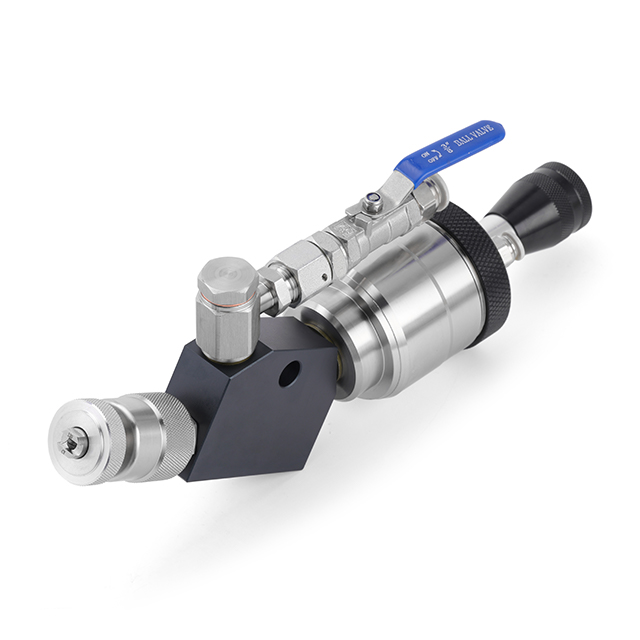
You need spray guns engineered for harsh industrial environments. Always evaluate needle and nozzle materials carefully. Tungsten carbide or hardened stainless steel works best for abrasive compounds. Standard brass nozzles degrade within days under these abrasive conditions. You must differentiate between single-action and dual-action configurations. Dual-action guns allow independent control over needle opening and air activation. They provide lightning-fast response times. This rapid actuation prevents dripping between polishing cycles.
Fluid delivery mechanisms vary based on application scale. Assess diaphragm pumps versus pressurized pneumatic tanks carefully. High-viscosity compounds usually require heavy-duty double-diaphragm pumps. These pumps generate necessary shear forces. Smaller cells often utilize simple pneumatic pressure pots safely. Always include continuous agitation mechanisms inside these tanks. Mixers prevent wax separation and ensure uniform suspension of abrasives. Dead fluid lines cause immediate blockages.
Precision requires dedicated regulation. Highlight the necessity of independent controls. You must regulate fluid pressure, atomization air, and fan width air separately. Tying them together guarantees poor spray patterns and massive overspray. Precision digital regulators offer better repeatability than manual analog gauges.
Equipment Type | Viscosity Capability | Agitation Method | Ideal Application Scale |
|---|---|---|---|
Pneumatic Pressure Pot | Low to Medium | Pneumatic Propeller | Small robotic cells |
Diaphragm Pump | Medium to High | Continuous Recirculation | High-volume continuous lines |
Pneumatic Piston Pump | Extremely High | Mechanical Stirrer | Heavy cut abrasive processing |
Physical installation directly impacts performance. Getting an Auto polishing line wax spraying setup running smoothly requires methodical execution. Small mounting errors amplify during robotic articulation.
Correct placement dictates compound transfer efficiency. Define your optimal spray distance early during commissioning. We typically recommend mounting guns 6 to 10 inches from the buffing wheel. Distance adjustments change the footprint of the fluid strike. Address spray angle orientation next. You should spray into the rotation of the wheel rather than trailing it. This opposing angle maximizes compound retention and minimizes bounce-back. Ensure mounting brackets possess extreme rigidity. Machine vibration knocks loose brackets out of alignment easily.
Hoses play a vital role in system responsiveness. Follow strict guidelines for hose sizing. Larger inner diameters prevent dangerous pressure drops across long distances. Fluid friction acts as a natural brake. You must keep fluid lines as short as possible. Mount the manifold or pump closely to the spray gun. This reduces lag time during spray pulses. Choose PTFE-lined hoses for excellent abrasive resistance.
Getting the initial settings right saves hours of troubleshooting later. Follow these fundamental steps strictly:
Start by setting your baseline fluid pressure.
Adjust the fluid regulator to achieve the desired volume output without engaging air.
Gradually introduce atomization air pressure to the nozzle.
Tune this air supply to achieve a fine, even mist.
Adjust the fan width air to match the width of your buffing wheel precisely.
Test the spray pattern on a stationary cardboard target.
Check the target for heavy center spots or uneven edges.
Refine air ratios until the pattern appears perfectly uniform.
Avoid excessive atomization pressure. Too much air causes fluid to bounce off the wheel entirely.
True automation relies on intelligent communication. Seamless integration requires precise electrical handshakes. A properly configured Automatic Buffing Machine relies heavily on its central controller to manage variables.
Physical hardware needs logical connections to function. Start by wiring solenoid valves to the robot controller or central line PLC. These solenoids trigger the pneumatic signals opening the spray guns. Use fast-acting solenoids to minimize signal delay. You must set up fault-state feedback loops immediately. For example, install low tank level sensors in the fluid reservoir. Program these sensors to trigger a line pause when fluid drops critically low. This intervention prevents dry-running and destroyed parts.
Timing determines wheel saturation and overall finish quality. Program "pre-charge" sprays for all new buffing wheels. Dry wheels require longer initial spray durations to build a compound head. During the active polishing cycle, establish micro-dosing intervals. Avoid continuous spraying entirely. Instead, use short bursts. A standard benchmark involves a 0.5-second spray every 10 seconds of wheel contact. This rhythm keeps the wheel lubricated without flooding the part.
Advanced cells adjust parameters on the fly. Adjust your spray frequency dynamically. If the line utilizes variable wheel speeds based on part geometry, the wax application must adapt. Faster wheel RPMs strip compound quickly from the fibers. The PLC must increase dosing frequency automatically when RPMs spike. Tie the spray timers directly to the spindle speed drive via analog signals.
Even well-designed systems encounter operational hurdles in production. We must proactively address known failure points. Ignoring these realities leads to severe maintenance backlogs.
Clogs halt production instantly. Abrasives often dry in the nozzle during routine line pauses or shift changes. This represents a massive operational risk. You should implement automated air-purge sequences immediately. Program solvent-flush cycles in the PLC at the end of shifts. This clears residual compound from the fluid tip before it hardens. You should also install inline mesh filters near the gun fluid inlet.
Poor misting ruins delicate surface finishes. Fluctuating shop air pressure causes major delivery issues. The spray can transition unpredictably from a fine mist to a solid stream. You must isolate your pneumatic supply to solve this. Install dedicated air reservoirs directly at the buffing cell. Add high-precision digital regulators downstream. This hardware buffers against pressure drops when other machines activate in the factory. Always run moisture separators to keep atomization air dry.
Messy cells cause secondary hardware failures. Wax accumulation coats robot joints and optical sensors. This buildup causes hardware faults and requires extensive cleaning downtime. You should optimize your fan pattern width carefully. The spray plume should never exceed the wheel width. Install targeted exhaust hoods directly behind the spray zone. This captures airborne particulate before it settles on sensitive electronics. Routine housekeeping schedules remain mandatory.
Upgrading to automated spraying requires solid business justification. Decision-makers need concrete performance metrics to validate investments. A well-tuned Automatic Buffing Line delivers measurable improvements across several distinct categories.
Liquid systems reduce consumable waste significantly. You should measure liquid compound savings directly after commissioning. Compare current usage against historical manual bar wax application data. Facilities typically see a 30% to 50% reduction in consumable waste. Use these consumption figures to calculate direct cost-per-part improvements. Automated dosing prevents operators from applying excess wax defensively.
Wheels represent a major ongoing expense for finishing departments. Track the extension of buffing wheel life carefully. Optimal, continuous lubrication prevents excessive friction and heat buildup. This prevents wheel charring and premature fabric degradation. Consistent micro-dosing keeps cotton or sisal fibers intact much longer. You will notice fewer wheel changeovers per shift. This boosts overall line uptime dramatically.
Quality assurance defines the ultimate success of the integration. Set strict QA benchmarks before installation begins. Measure gloss units or surface roughness on baseline parts. Compare these metrics after auto-spray integration. Automated delivery eliminates the human variable entirely. You will see a drastic reduction in rework rates. Consistent lubrication eliminates dry-buffing burns. Your final products will exhibit tighter standard deviations in gloss.
An automated wax spraying setup profoundly impacts manufacturing quality. It bridges the critical gap between robotic precision and consumable management. The reliability of fluid delivery directly dictates your final surface quality. You simply cannot ignore this subsystem during facility upgrades.
Engineers should take immediate steps toward integration. First, audit your current compound viscosity to ensure pump compatibility. Second, review your existing PLC capabilities for I/O availability. Finally, request a pilot spray test from equipment vendors before authorizing a full-line rollout. Proactive planning guarantees a seamless transition.
A: The ideal atomizing pressure typically ranges from 40 to 60 PSI depending on the specific viscosity of the liquid. Highly viscous compounds require higher pressure to break apart properly. You must ensure independent control for atomization air separate from fluid pressure to achieve an optimal mist.
A: Yes, automated setups can handle both types effectively. However, this requires completely dedicated fluid lines, pumps, and spray guns for each compound type. Sharing hardware between cutting and coloring stages leads to cross-contamination of grit sizes, which immediately ruins final high-gloss finishes.
A: Replacement frequency depends entirely on compound abrasiveness and daily production volume. You should inspect fluid tips and needles weekly. Replace these components immediately when the spray pattern becomes visibly distorted, spits fluid intermittently, or fails to hold a tight, consistent fan shape.
A: Automated spray systems handle a very wide range of viscosities. Thin, water-based polishes atomize easily from standard pressure pots. However, highly viscous, abrasive-heavy compounds require heavy-duty pneumatic piston pumps or diaphragm pumps to prevent settling and ensure consistent delivery to the gun.


