


Views: 0 Author: Site Editor Publish Time: 2026-10-11 Origin: Site


Automotive surface finishing is currently experiencing a profound paradigm shift. Manufacturers are actively transitioning away from an operator-dependent "art" toward a highly measurable, data-driven process. For decades, production facilities relied entirely on manual techniques to achieve a perfect clear-coat gloss. Unfortunately, this outdated manual approach introduces a massive core challenge for line managers.
Unpredictable finish quality, severe thermal damage, and high consumable waste consistently plague these traditional methods. When operators guess at application rates, they inevitably apply inconsistent amounts of material. This variability directly drives defect rates higher. Our primary objective is to establish a rigorous scientific framework for evaluating automated distribution technologies. You will soon discover how precise fluid control stabilizes overall cycle times and drastically reduces defect rates in high-volume environments. We will explore equipment architectures, fluid dynamics, and implementation strategies to guarantee a verifiable return on your facility's automation investment.
Precise liquid buffing compound distribution reduces consumable waste by up to 30% while eliminating localized clear coat burn-through.
Transitioning to automatic polishing paste dosing requires evaluating fluid dynamics, specifically the viscosity and shear-thinning properties of your chosen abrasives.
Successful system integration depends on matching pump architecture (peristaltic vs. diaphragm) to the abrasive load of the liquid polishing compound.
Implementation success hinges on predictive maintenance protocols to prevent nozzle clogging and compound suspension failure.
Manual application methods obscure massive inefficiencies within manufacturing operations. You might not see these financial leaks immediately. However, they compound daily across multiple production shifts.
When operators apply material by hand, they naturally gravitate toward over-saturation. They often believe more material equates to a faster cut. This assumption creates a severe misallocation of resources. Excessive application of Liquid Polishing Compoun saturates the polishing pad far beyond its optimal capacity. Rapid pad degradation quickly follows. As the pad's cellular structure collapses under the weight of excess fluid, you must replace it prematurely. Consequently, your material costs become entirely unpredictable. You lose the ability to accurately forecast quarterly consumable budgets.
Inconsistent application directly disrupts thermal equilibrium on the clear coat. Proper lubrication forms a vital barrier between the abrasive pad and the vehicle's surface. Uneven lubrication creates immediate localized friction spikes. When friction rapidly escalates, the clear coat temperature surges past safe thresholds.
Micro-marring: Insufficient lubrication drags abrasives harshly across the surface.
Holograms: Uneven pad pressure combines uneven fluid distribution to create visual refractions.
Clear-coat failure: Severe heat buildup causes the paint resin to blister or burn completely through.
Each defect forces the panel back through the rework loop. Rework destroys profit margins and disrupts downstream assembly schedules.
Predictability remains the foundation of OEM and Tier-1 environments. Manual dosing pauses completely destroy this predictability. An operator must stop the machine, grab a bottle, apply the material, and restart the tool. These micro-stoppages accumulate rapidly. Over an eight-hour shift, this manual routine drastically lowers overall line throughput. Furthermore, repetitive manual application increases operator fatigue. Fatigued operators make more mistakes, further degrading cycle time stability.
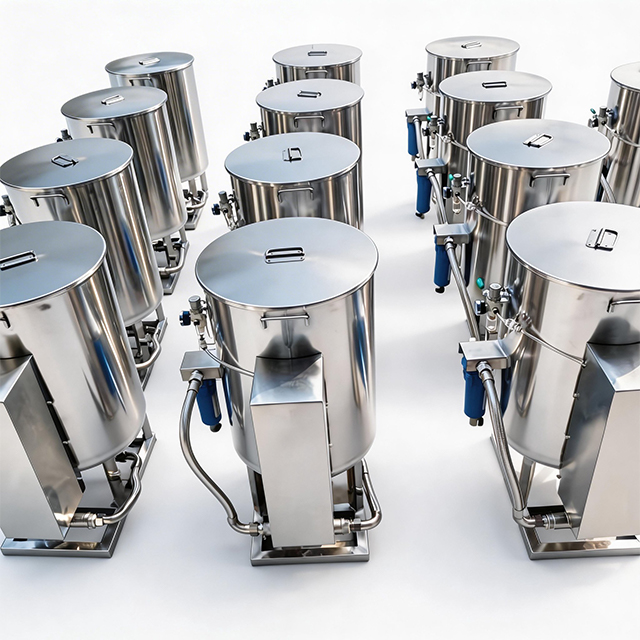
To master surface finishing, we must understand the fundamental physics driving the process. Fluid dynamics play a critical role in how abrasives interact with painted surfaces.
Modern finishing fluids act as complex, non-Newtonian mixtures. They typically exhibit shear-thinning behaviors. At rest, the fluid remains highly viscous to keep abrasive particles suspended evenly. If the fluid separates, you risk scratching the vehicle surface with concentrated abrasive clumps. When we apply high shear stress and centrifugal force via a rotary or dual-action machine, the fluid’s viscosity drops. This transformation allows the Liquid Polishing Wax to spread into a microscopically thin, even layer. Understanding this behavioral shift is vital when engineering automated delivery systems. The system must pump the thick fluid without artificially breaking down its intended viscosity before it hits the pad.
Different pad materials manage fluids in vastly different ways. Their internal cellular structures dictate absorption and release rates.
Open-cell foam pads: These pads act like active sponges. They absorb fluid deep into their matrix through capillary action. Under rotational pressure, they slowly release the abrasive mixture back to the surface. Distribution patterns must account for this deep absorption to avoid dry-running the outer edges.
Microfiber pads: These utilize thousands of individual fibers to hold material close to the surface. They do not absorb fluid deeply. Instead, they require frequent, highly atomized micro-doses to maintain optimal cutting power.
The liquid carrier serves a dual purpose. It suspends the abrasives, but it also acts as a primary heat sink. High-speed pad rotation generates intense friction. The carrier liquid absorbs this energy and dissipates it through evaporation. If distribution fails to cover the entire pad face, heat concentrates in dry zones. Proper fluid distribution ensures the carrier maintains optimal abrasive-to-surface contact while simultaneously managing the thermal load.
Replacing human guesswork with precision engineering requires a thorough evaluation of available technology.
We must map the cost-to-benefit ratio accurately. Replacing operator judgment with programmable logic control (PLC) distribution removes human error from the equation. A PLC system dispenses exact fluid volumes at exact time intervals. To establish a baseline, facilities should measure their current consumable usage per vehicle and track their current rework percentage. Automated systems typically demonstrate a measurable return on investment within six to eight months purely through scrap reduction and material savings.
Selecting the correct internal pump architecture determines the longevity of your distribution network. You must match the pump type directly to your fluid's abrasive load.
Pump Architecture Comparison Chart
Pump Architecture | Primary Application | Wear Characteristics | Maintenance Needs |
|---|---|---|---|
Peristaltic Pumps | Heavy, highly abrasive cutting compounds. | Isolates fluid entirely from mechanical moving parts. | Requires routine replacement of the internal flexible tubing. |
Diaphragm/Piston Pumps | Low-viscosity finishing fluids and waxes. | Abrasives can rapidly degrade internal seals and valves. | Requires careful, ongoing monitoring of seal integrity. |
Peristaltic systems squeeze a flexible tube to move the fluid. This design prevents harsh abrasives from destroying metal gears. They remain the superior choice for heavy-cut materials. Diaphragm pumps work exceptionally well for thinner liquids but fail quickly if forced to pump aggressive grits.
How the fluid exits the system matters just as much as how it pumps. We must evaluate atomization versus stream delivery. Target surface area and robotic arm speed dictate this choice. High-speed robotic applications usually benefit from atomized sprays. Atomization covers the pad face instantly and evenly. Stream delivery works better for slower, localized applications where airborne overspray poses a contamination risk. Properly configured automatic polishing paste dosing hardware precisely aligns the spray geometry with the tool's specific pad diameter.
Purchasing automated hardware is only the first step. You must carefully specify the infrastructure to ensure seamless factory integration.
Modern manufacturing relies heavily on interconnected data. We must assess how the dosing system handshakes with existing robotic cells. The dosing controller must communicate flawlessly with conveyor logic and external pressure sensors. If the line stops, the dosing must halt instantly. SCADA (Supervisory Control and Data Acquisition) integration allows engineers to monitor fluid levels and line pressures remotely. Reliable Liquid buffing compound distribution requires low-latency signal processing to match real-time production speeds.
Chemical interactions can ruin a perfectly designed mechanical system. You must verify chemical compatibility before installation. Engineers must check the specific gravity and carrier solvents of the intended fluids. Certain aggressive solvents will rapidly dissolve standard polyurethane tubing. Additionally, improper line pressure can cause heavy abrasive particles to separate from their carrier liquids. The infrastructure must handle your specific chemical makeup without inducing fluid separation or component degradation.
Production lines rarely run a single product forever. Flexibility remains crucial. Consider the time required to flush supply lines during a product changeover. Switching from a heavy cutting abrasive to a fine finishing product demands absolute cleanliness. Any cross-contamination will instantly ruin the finishing step. Dual-line configurations often provide the best scalability. They allow instant switching between products without necessitating lengthy, manual purge cycles.
Automated atomization introduces new environmental variables. Managing airborne particulates and Volatile Organic Compounds (VOCs) requires strict oversight. Facility safety protocols demand closed-loop distribution systems. These systems prevent vapor leaks and eliminate operator exposure to aerosolized chemicals. Specifying proper ventilation extraction near the application zone ensures full compliance with occupational health and environmental standards.
Even the best-engineered systems encounter hurdles upon installation. Proactive risk mitigation guarantees a smooth launch.
Do not expect plug-and-play perfection on day one. Initial setup usually requires a dedicated two-week optimization period. Engineers must perfectly balance spray timing with the rotational speeds of the polishing pads.
Establish the baseline fluid volume required per cycle.
Adjust the robot's approach speed to match the dosing interval.
Analyze the initial test panels for dry spots or sling (overspray).
Fine-tune the PLC micro-dosing parameters based on thermal readings.
Skipping this rigorous calibration phase leads to immediate quality control failures.
Gravity constantly works against suspended abrasives. You must address the reality of abrasive settling in supply lines during weekend downtime. When heavy fluids sit idle, solids drop out of suspension. This settling creates massive clogs on Monday morning. Integrating inline agitators prevents this issue entirely. Additionally, programmed automated purge cycles push small amounts of fluid through the lines during off-shift hours. These simple mechanical solutions prevent catastrophic nozzle blockages.
Automation does not eliminate the human element; it transforms it. We must shift the operator's role fundamentally. They evolve from manual applicators into system monitors and quality control auditors. This transition requires comprehensive training. Operators must learn how to interpret PLC error codes, monitor pump pressure gauges, and identify early signs of nozzle wear. Empowering the workforce through proper education ensures they support the new technology rather than fight it.
Automating your surface finishing operations is never just a simple hardware purchase. It represents a fundamental process control upgrade. By moving away from subjective manual application, facilities gain complete control over thermal dynamics, cycle times, and material budgets. Precision distribution entirely eliminates the hidden costs associated with overworked pads and unpredictable clear-coat burn-through.
To begin this transformation, we recommend requesting controlled vendor trials immediately. Conduct a thorough consumable audit to quantify your current manual waste accurately. Finally, calculate a precise break-even timeline based on your facility's current rework rates. Transitioning to a data-driven approach will secure long-term profitability and guarantee world-class finish quality on every single panel.
A: Consistent micro-dosing prevents pad glazing and thermal saturation. When fluid is applied accurately, the internal foam cells do not collapse under the weight of excess liquid. This optimized environment generally extends pad life by 15-25%.
A: Technically yes, but it is highly discouraged without dual-line configurations. Heavy abrasives easily contaminate finishing waxes. If you use a single line, you must implement extensive, time-consuming purge protocols to prevent cross-contamination.
A: Maintenance intervals depend heavily on cycle counts and abrasive aggressiveness. However, typical tube-replacement schedules occur every 3 to 6 months. Regular visual inspections ensure the tubing does not rupture during high-volume production shifts.


