


Views: 0 Author: Site Editor Publish Time: 2026-10-08 Origin: Site


High-volume metal polishing quickly degrades aggressive cutting consumables. Plant managers constantly face escalating tooling expenses. Unplanned maintenance downtime continuously threatens tight production schedules. We know premature wear on robust polishing wheels rarely happens from manufacturing defects. It typically stems from thermal degradation. Poor compound dosing causes dry friction during operation. The resulting heat destroys structural fibers long before natural abrasion wears them down.
We will evaluate how automated liquid wax spraying solves this critical issue. You will discover how modern, precise dosing directly minimizes consumable waste. You will also learn how these automated systems protect foundational wheel integrity. Finally, we explore how upgrading your fluid application methods delivers measurable returns across heavy-duty industrial polishing cells. Transitioning away from manual methods yields a cleaner, more predictable manufacturing process.
Thermal Protection: Consistent liquid wax application prevents the dry friction that singes and degrades sisal fibers.
Cost Reduction: Automated spraying reduces wasted compound by up to 40% compared to manual solid bar application.
Quality Control: Precise dosing maintains a continuous abrasive edge, reducing part rejection rates caused by glazing or inconsistent cut rates.
Process Scalability: Moving from manual to automated application removes operator variability and establishes predictable tooling budgets.
Many facilities track simple consumable costs. They look at the flat price per wheel. This metric often hides true production expenses. You should evaluate the total cost per finished part instead. This calculation must factor in machine downtime for wheel changeovers. Every minute spent swapping a burnt wheel stops production entirely. Optimizing compound application directly extends continuous run times. It keeps your polishing lathes running profitably.
Friction generates extreme heat during aggressive metal cutting. Insufficient compound leaves the wheel unprotected. The sisal and kraft paper matrix quickly begins to char. Fibers dry out, become brittle, and fray rapidly. The structural integrity of the wheel collapses under pressure. We often see operators blame the wheel manufacturer for this failure. In reality, thermal degradation causes the early breakdown. Proper lubrication prevents this destructive heat buildup entirely.
Too much compound creates a different operational disaster. Manual application often deposits large chunks of wax onto the rotating surface. This excess material packs into the wheel fibers. It glazes over the cutting edge completely. A glazed wheel cannot cut metal. Operators must then perform aggressive raking to clear the packed wax. Raking tears away healthy fibers and wastes valuable compound. It violently shortens the useful life of your consumables.
Rigid cutting wheels demand heavy, consistent lubrication. They endure massive friction against raw metal surfaces. Contrast these heavy demands with finishing stages. A standard Cloth Buff Wheel uses softer textiles for final coloring. It requires much less compound to achieve a high gloss. Precise application remains critical for aggressive cutting stages. You cannot treat coarse sisal the same way you treat fine cotton.
Operators have relied on solid compound bars for decades. This traditional method presents significant limitations. Manual application delivers highly inconsistent pressure against the wheel. It relies entirely on individual operator skill and fatigue levels. Physical waste remains incredibly high. Stub ends of solid bars frequently get thrown away. Operators also apply compound irregularly, causing uneven wear patterns. The industry needs a more reliable, mechanized solution.
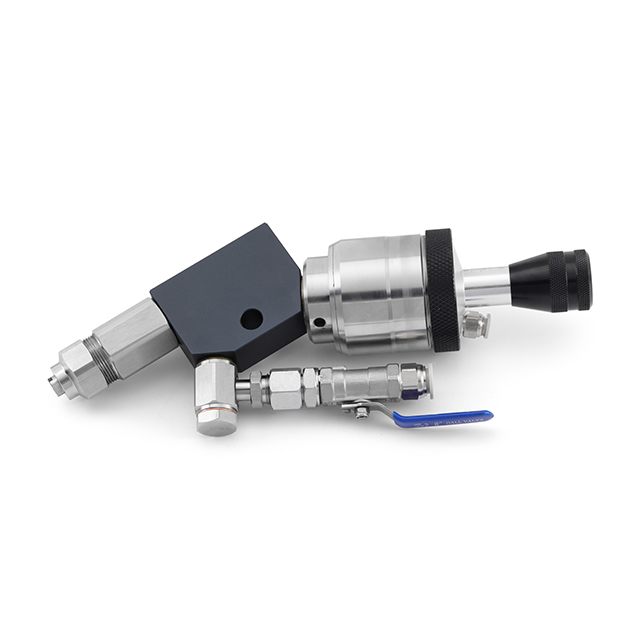
Automated systems utilize high-pressure spray guns. They deliver precise micro-doses of liquid compound. They inject this material directly into the rotating substrate. Modern buffing wheel compound application entirely removes human inconsistency. Programmed logic controllers dictate exactly when the gun fires. They control exactly how much wax hits the wheel. This automation ensures a perfectly lubricated cutting surface during every single cycle.
Solid bars merely coat the outer surface of the wheel. The wax sits on top of the fibers. Atomized liquid wax behaves very differently. It penetrates the dense fibers deeply. It embeds abrasive particles throughout the entire working layer. This deep penetration ensures continuous abrasive action as the wheel slowly wears. You do not suffer through dry spots or sudden drops in cutting power. The structural matrix remains fully supported.
You cannot improve what you do not measure. You must audit your current compound usage first. Track how many solid bars you consume weekly. Record the average lifespan of your current wheels. This data creates a vital comparative metric. It allows you to prove the value of a liquid spray system later. We recommend running this baseline audit for at least two standard production weeks.
Optimizing your Sisalkraft wheel liquid wax consumption requires balancing three variables. You must adjust fluid pressure, atomizing air pressure, and spray duration. High fluid pressure delivers more volume. High air pressure creates finer droplets. Short spray durations prevent oversaturation. Finding the perfect ratio prevents waste and maximizes cutting efficiency. You must test these parameters dynamically on the production floor.
Baseline Spray Parameter Guidelines
Parameter | Recommended Starting Range | Expected Operational Impact |
|---|---|---|
Fluid Pressure | 40 - 60 PSI | Controls the volume of wax delivered per burst. |
Atomizing Air | 50 - 70 PSI | Determines droplet size and penetration depth. |
Spray Duration | 0.2 - 0.5 Seconds | Prevents glazing while maintaining adequate lubrication. |
Gun Distance | 6 - 8 Inches | Ensures proper fan spread across the wheel face. |
Overspray costs money and creates messy enclosures. You can minimize it through strategic nozzle positioning. Angle the spray gun precisely toward the wheel center. Time your spray bursts carefully. You should trigger the spray just before the metal part engages the wheel. This timing traps the compound between the part and the fibers. It ensures the wax stays on the wheel, rather than flying onto machine guards.
You want to find the exact threshold of minimum consumption. You must reduce liquid wax usage without sacrificing cutting power. Watch for signs of wheel burning. If edges turn brown, increase the spray frequency slightly. If parts come out greasy, decrease the fluid pressure. Proper tuning creates a self-sustaining cutting cycle. You protect your margins while maintaining aggressive metal removal rates.
Liquid polishing wax changes viscosity based on ambient temperature. Cold factory environments pose a significant operational risk. The wax can thicken and starve the spray guns. You must control fluid temperatures proactively. Install drum heaters on your bulk compound containers. Use heated fluid lines to transport the wax to the guns. Maintaining a consistent temperature guarantees a consistent spray pattern all year round.
Automated spray systems require dedicated upkeep. Nozzle clogs represent a harsh reality in industrial polishing. Dried wax and airborne dust quickly block fluid tips. You must outline strict preventative maintenance schedules. Operators should purge spray guns daily. They must clean air caps weekly. Ignoring maintenance leads to dry-running the wheels. A clogged nozzle can destroy a brand new wheel in under ten minutes.
Automated spraying fundamentally changes your airborne particulate profile. High-pressure atomization creates very fine mist. This mist combines with metal dust and wheel fibers. You must evaluate your dust collection systems before implementation. Ensure adequate ventilation capacity to capture these fine particles. Upgrading your extraction systems keeps you compliant with industrial air quality standards. It also protects your workforce from inhaling atomized compounds.
Technology upgrades often face human resistance. Shifting operators away from manual control proves challenging. They usually trust their own hands over an automated dosing cycle. You must involve them in the tuning process early. Show them the physical data proving reduced wheel wear. Emphasize how automation eliminates the physical strain of applying heavy solid bars. Gaining their trust ensures the new system operates correctly.
Not every facility needs an automated liquid spray system. You need a framework for deciding if production volumes justify the capital expenditure. Consider your shifts per day. Evaluate your parts per hour. High-volume, continuous polishing lines benefit immensely from automation. Low-volume, custom job shops might not recoup the investment quickly. Calculate your monthly consumable spend to see if a 40% reduction justifies the upgrade.
You have two main paths for implementation. You can retrofit existing manual lathes with standalone spray controllers. This approach requires less upfront capital. Alternatively, you can purchase new CNC polishing cells with integrated sprayers. Integrated systems offer superior software control and tracking. Evaluate your current machinery age and capabilities. Sometimes, retrofitting provides a perfect stepping stone toward full automation.
Running a pilot test provides the safest path forward. Follow a structured approach to validate the technology in your facility. Track the baseline life of your current Sisalkraft Buffing Wheel setups.
Document your current solid compound consumption over two weeks.
Install a trial spray gun on a single, high-volume polishing station.
Dial in the liquid parameters using the baseline guidelines.
Run production and record the new wheel lifespan and part rejection rates.
Measure the exact delta in consumable spend over a 30-day period.
This pilot data gives you a concrete business case for facility-wide rollout.
A robust polishing wheel is only as effective as the compound matrix supporting it. Dry friction remains the absolute enemy of heavy cutting consumables. Upgrading to precise liquid wax spraying delivers immediate thermal protection. It prevents charring, eliminates manual glazing, and drastically cuts physical waste. Implementing this technology is not just a minor tooling optimization. It represents a strategic move toward predictable, highly profitable manufacturing. Better dosing keeps your machines running and your costs under strict control.
A: The ideal interval relies heavily on part size and cycle time. Generally, you should program frequent, short bursts rather than infrequent, long sprays. A common baseline is a 0.3-second burst every 15 to 20 seconds of continuous metal contact. This keeps the abrasive edge constantly refreshed.
A: You should avoid sharing a single pump system for both. Aggressive cutting waxes and fine finishing compounds possess different viscosities and abrasives. If you must use one system, you require separate fluid lines or extremely thorough flushing procedures to prevent cross-contamination.
A: Visual physical indicators usually reveal excessive consumption quickly. Look for thick compound slinging off the wheel during rotation. Check for heavy, wet buildup clinging to the machine guards. Furthermore, if finished metal parts emerge excessively greasy or require heavy post-cleaning, you are spraying too much.
A: Proper atomization will not destroy the kraft paper. Fine mist applies a highly controlled moisture level. It lubricates the cutting edge without saturating the inner core. Flooding the wheel with low-pressure liquid will cause disintegration, making high-pressure atomization essential for structural protection.


