


Views: 0 Author: Site Editor Publish Time: 2026-08-19 Origin: Site


Manufacturers face escalating costs for liquid polishing compounds every single quarter. Traditional continuous-flow application methods are directly responsible for this financial leak. They create severe material waste and excessive overspray on the production floor. Facilities clearly need a better way to apply abrasives to spinning wheels. You can find a measurable upgrade in transfer efficiency through intermittent, high-pressure technology. This approach acts as a precision tool rather than a generic operational fix. Applying compound only when necessary fundamentally changes your baseline material consumption. This article objectively evaluates how adopting a High Pressure Liquid Compound Gun impacts your daily material use. We will explore expected return on investment and look at overall production consistency. You will learn the mechanics behind pulsed application and discover core criteria for selecting the best equipment. By the end, you will know exactly how to integrate this technology into your daily operations.
Continuous spraying wastes up to 40% of liquid compound through overspray and bounce-back; intermittent application targets exact abrasive needs.
A High Pressure Liquid Compound Gun improves transfer efficiency by atomizing high-viscosity fluids precisely.
Selecting a pressure-controlled polishing gun requires evaluating fluid needle durability, trigger response time, and maintenance accessibility.
Proper implementation demands compressed air system audits and operator calibration to realize actual material savings.
Continuous spray systems pump compound constantly onto spinning surfaces. The buffing wheel often reaches full saturation within seconds of application. Once saturated, any additional abrasive compound immediately runs off the edges. This creates massive material waste pools directly under the polishing lathe. We see facilities losing hundreds of gallons of expensive abrasive liquid annually. Operators often ignore this runoff because it looks like a normal part of the process. In reality, you are pouring operating budget directly onto the shop floor. Continuous application fundamentally ignores the actual friction requirements of the metal finishing process.
The excess compound does not just vanish into thin air. It accumulates heavily on surrounding machinery, exposed spindles, and automated tracks. Highly abrasive liquids harden rapidly over time. They grind into sensitive bearings, tear up drive belts, and destroy pneumatic seals. You will face increased facility cleaning downtime as maintenance crews scrape away calcified compound. Over-sprayed abrasive sludge essentially acts as liquid sandpaper against your expensive automation equipment. Repair bills inflate quickly when airborne grit enters the moving parts of nearby robotic cells.
Airborne particulates from overspray pose serious environmental hazards inside manufacturing plants. Regulatory agencies strictly monitor workplace air quality. They issue hefty fines for non-compliance regarding breathable dust limits. Managing airborne particulate loads requires massive industrial ventilation systems running at full capacity. Collecting and disposing of overspray sludge adds burdensome hazardous waste disposal costs. Heavy liquid compounds often require special handling protocols when they enter facility drainage systems. Reducing the volume of sprayed material directly lowers your environmental compliance burden.
Continuous spraying relies on a steady, unbroken stream of fluid. Intermittent application fires exact micro-bursts instead. You apply compound only exactly when the abrasive cut rate diminishes. This keeps the buffing wheel optimally charged at all times. You avoid complete saturation while maintaining cut quality. Firing a precise pulse of liquid compound takes sophisticated timing. It requires synchronized pneumatic controls to open and close the fluid nozzle in milliseconds. This pulsed approach mirrors the manual "dab" technique used by seasoned artisans but executes it with machine-like consistency.
Dense, heavy abrasive liquids easily clog standard low-pressure air guns. High fluid pressure forcefully overcomes this natural viscosity barrier. An Intermittent compound spray gun breaks down thick slurry into incredibly fine droplets. This intense atomization ensures uniform coating on the polishing wheel face. The high-pressure stream prevents large globs of abrasive from spitting out unevenly. Even distribution across the wheel prevents burn marks on delicate metal parts. It also ensures the abrasive grains embed properly into the cloth or sisal fibers.
Liquid hitting a rapidly spinning wheel at low velocity often bounces off immediately. The centrifugal force throws it outward before it can penetrate. Calibrated, intermittent bursts hit the wheel at a significantly higher velocity. They break the surface tension of the spinning buffing wheel highly effectively. The compound adheres deeply into the fibers rather than deflecting into the air. This targeted penetration means you need far less compound to achieve the desired metal cut. Lower bounce-back rates translate directly into cleaner workstations and higher material utilization.
Application Metric | Continuous Flow Systems | Intermittent High-Pressure Systems |
|---|---|---|
Wheel Saturation | Oversaturated quickly, causing runoff | Optimally charged, prevents excess |
Transfer Efficiency | Poor (High bounce-back) | Excellent (Deep fiber penetration) |
Viscosity Handling | Prone to clogging and spitting | Atomizes thick slurries smoothly |
Airborne Waste | High volume of mist and dust | Minimal overspray generated |
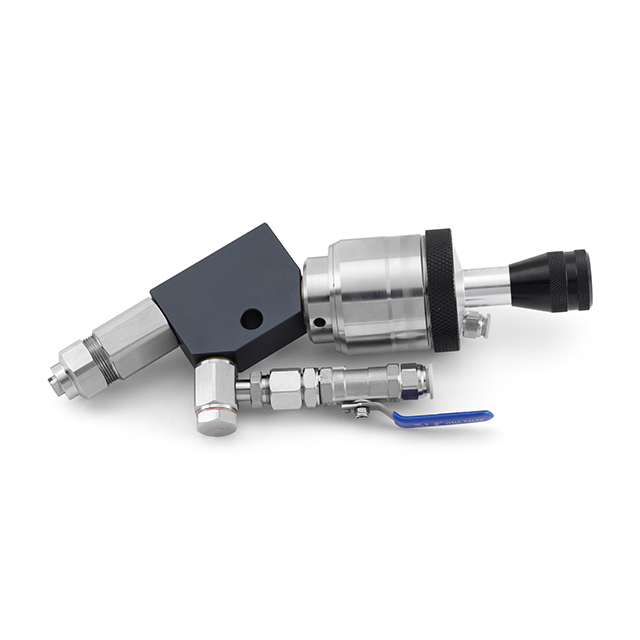
Polishing compounds contain extremely hard aluminum oxide or silica particles. These abrasive grains destroy soft brass or standard steel parts quickly. You absolutely need tungsten carbide or hardened stainless steel fluid nozzles. They withstand highly abrasive liquid compounds during relentless daily use. The fluid needle itself must also feature similar hardening treatments. When the needle repeatedly strikes the nozzle seat, soft metals deform. This deformation leads to immediate fluid leaks and dripping between spray cycles. Investing in carbide components drastically extends the lifespan of the tool.
True intermittent control requires exceptionally rapid trigger response times. Look for millisecond-level pneumatic actuation in the spec sheets. A sluggish trigger valve creates frustrating dripping issues. It causes the gun to spit large drops right as the valve closes. Precision actuation guarantees sharp, clean bursts of fluid. The air pressure must engage and disengage the fluid needle instantly. You cannot achieve optimal wheel charging if the gun lags behind the PLC signal. Speed directly equals material efficiency in automated setups.
Manufacturing plant temperatures fluctuate wildly between hot summers and freezing winters. Compound thickness changes accordingly based on ambient temperature. The equipment must maintain a consistent spray pattern regardless of these fluctuations. You want internal passages explicitly designed to handle varying fluid dynamics. Some compounds feature heavy grease binders while others use water-based emulsions. A versatile gun handles both extremes without requiring complete internal rebuilds. Adjustability in fluid flow controls allows operators to dial in the perfect pattern for any given slurry.
Daily cleaning bottlenecks destroy production floor productivity. Demand tool-less breakdown features from your equipment suppliers. Simplified fluid passage designs allow operators to flush the gun in mere minutes. Complex internal geometries trap abrasive grit and require full teardowns to clean properly. When operators struggle to clean a gun, they inevitably skip the maintenance step. This leads to permanent calcification and ruined equipment. Choose designs featuring quick-release mounting brackets. You want maintenance crews to swap out a dirty gun for a clean one instantly.
Verify nozzle and needle materials feature tungsten carbide reinforcement for abrasive resistance.
Test pneumatic trigger response latency under full production air pressure.
Review the fluid passage diameter sizes for compatibility with your thickest slurry.
Evaluate the mounting and locking mechanisms for tool-less daily disassembly.
Check availability of replacement seals tailored for harsh chemical binders.
A pressure-controlled polishing gun demands highly specific compressor specifications. You need stable line pressure to fire consistent micro-bursts repeatedly. Drops in overall plant air volume cause the spray pattern to sputter dangerously. Install dedicated point-of-use air filtration directly before the gun. Moisture in the pneumatic lines ruins the abrasive compound mixture on the wheel. Oil carryover from the compressor destroys the adhesion properties of water-based compounds. You must ensure the air delivery system remains perfectly clean and dry.
Operators face a steep learning curve initially during the transition. They must pivot away from "always-on" visual cues. They now rely on timer-based or PLC-controlled intermittent firing systems. We recommend starting with highly conservative pulse durations. Adjust the spray frequency slowly based on the resulting finish quality. Operators often try to over-apply compound out of habit. You must train them to trust the micro-burst efficiency. Regular calibration checks ensure the timing relays remain accurate. Minor drift in timer settings can alter your finish consistency drastically.
Assess exactly how the new equipment mounts to your current setup. You might use automated buffing cells or multi-axis robotic arms. Manual polishing lathes require entirely different bracket systems for safe operation. Ensure the physical footprint fits safely inside your existing enclosures. The fluid supply lines must route cleanly without snagging on moving robotic parts. Consider the weight of the gun if mounting it directly to a high-speed robotic wrist. Heavy units may cause vibration issues requiring payload capacity adjustments.
Audit your existing compressor capacity and measure air line stability during peak hours.
Install high-grade desiccant dryers and oil separators near the polishing cell.
Mount the gun securely using adjustable, vibration-resistant brackets.
Program the PLC system for baseline pulse timing and optimal spray frequency.
Train all operators on visual inspection techniques for optimal wheel charge levels.
Establish a strict daily flushing routine using compatible warm solvents or water.
Focus entirely on measurable compound reduction when tracking metrics. You can typically expect 20-30% savings on abrasive liquid consumption. Weigh this physical material reduction against the initial capital expenditure of high-pressure equipment. Track daily compound consumption meticulously for one month prior to installation. Compare it directly to post-installation usage over the same timeframe. Reduced facility cleaning times also add significant labor savings to your calculation. Fewer rejected parts due to uneven compound application further accelerate the expected payback period.
ROI Metric Factor | Measurement Method | Expected Impact Area |
|---|---|---|
Material Consumption | Gallons used per shift vs. historical baseline | Direct consumable budget reduction |
Maintenance Labor | Hours spent scraping overspray per week | Increased machine uptime availability |
Part Quality | Reject rates due to burn marks or dullness | Higher first-pass yield percentages |
Filter Replacement | Frequency of changing exhaust filters | Lower environmental compliance costs |
Be transparent about potential operational failure points. Fluid nozzles will clog quickly if operators ignore daily flushing protocols. Inconsistent spray patterns happen frequently if shop air pressure fluctuates during peak production hours. You must implement strict, non-negotiable preventive maintenance schedules. The abrasive nature of the fluid means seals will eventually wear out. Stocking replacement packing seals prevents unexpected line stoppages. Lack of operator buy-in represents the biggest risk. If they manually override the PLC to spray continuously, all efficiency gains disappear instantly.
Do not buy blindly based on glossy marketing brochures. Guide your purchasing team to request exact engineering data sheets. Test your specific compound viscosity with the exact gun model beforehand. Some compounds simply do not atomize well in certain nozzle geometries. Always verify manufacturer warranty terms covering abrasive wear before final procurement. A solid warranty indicates the manufacturer trusts their carbide components. Ask for case studies specifically matching your industry application. Automotive rim polishers have different needs than medical implant finishers.
Transitioning to intermittent high-pressure spraying represents a necessary evolution for modern manufacturing. High-volume polishing operations must adopt this technology to drastically cut consumable costs. Continuing with continuous flow wastes valuable capital and hurts overall facility efficiency. This upgrade provides better control over your abrasive application while keeping your workstations significantly cleaner.
Facility managers should conduct a thorough material waste audit immediately. Identify exactly how much abrasive compound hits the floor weekly instead of the parts. Track your current cleanup labor hours and filter replacement frequencies. Next, request a live demo or pilot test with a specific pressure-controlled unit. Seeing the atomization precision firsthand will quickly validate the upgrade for your production team.
A: Yes, they handle thick slurries highly effectively. High-viscosity fluids require specific internal fluid dynamics to atomize properly. These specialized guns use large-diameter nozzles to prevent internal clogging. They rely on elevated pump pressure to push dense liquids forcefully through the passages. This mechanical force ensures consistent micro-bursts regardless of the abrasive compound's base thickness.
A: HVLP uses low pressure and high air volume, which struggles moving dense abrasive liquids. The heavy compound particles often deflect off the spinning wheel into the air. High-pressure guns use immense mechanical force to atomize the heavy fluid cleanly. They drive the abrasive grit deep into the buffing wheel fibers. This targets transfer efficiency and drastically reduces airborne overspray.
A: You must perform daily flushing with warm water or a compatible solvent. Inspect the carbide fluid needle for abrasive wear weekly. Check the packing seals regularly to prevent minor fluid leaks. Apply approved pneumatic lubrication to the trigger assembly monthly. Consistent maintenance prevents internal calcification and ensures the millisecond actuation timing remains perfectly accurate.


