


Views: 0 Author: Site Editor Publish Time: 2026-08-15 Origin: Site


Inconsistent wax application and unexpected downtime do not just delay production schedules. They directly impact final polishing quality and rapidly inflate consumable material costs. Industrial manufacturers simply cannot afford these compounding disruptions in today's highly competitive markets. For facility managers and dedicated production engineers, maximizing the operational lifecycle of a Widospray System requires a highly calculated approach. You must continuously balance routine preventative maintenance against timely, strategic equipment upgrades. Relying strictly on reactive quick fixes often leads to recurring mechanical failures. This comprehensive guide provides an evidence-based framework for diagnosing your current performance bottlenecks accurately. We carefully explore how you can execute precise mechanical repairs and maintain optimal fluid delivery rates. You will also learn how to determine the exact inflection point. We will show you when upgrading older hardware becomes inherently more cost-effective than continuous, labor-intensive patching.
Routine baseline audits of fluid pressure and nozzle integrity are the most reliable methods for preventing catastrophic spray failures.
Most Widospray gun troubleshooting stems from three root causes: material viscosity fluctuations, air pressure inconsistencies, or abrasive wear on internal seals.
Deciding between an automatic polishing wax gun repair and a full system upgrade relies on calculating the hidden costs of downtime versus the measurable ROI of automated precision.
System upgrades must be evaluated on compatibility with existing PLCs, scalability for future production volume, and ease of routine maintenance.
Defining a degraded system requires objective and measurable terms. Relying on operator intuition often masks underlying mechanical issues. A poorly performing setup typically exhibits increased compound consumption and highly inconsistent surface finishes. You might also notice higher part rejection rates during quality control inspections. We define a gap in performance as any measurable deviation from your original commissioning standards. Identifying these specific deviations prevents you from replacing functional components unnecessarily. You must establish a clear performance baseline before attempting any mechanical fixes.
You need concrete success criteria to evaluate equipment health effectively. Transfer efficiency represents the most critical metric for any spray setup. It measures the ratio of wax successfully adhering to the polishing wheel versus wasted overspray. Track cycle times closely during each production shift. Prolonged cycle times often indicate inadequate fluid delivery or partial nozzle clogs. Finally, monitor the exact number of maintenance interventions required per shift. Frequent operator adjustments strongly suggest internal wear or inconsistent pneumatic supply pressure.
Failing to address minor spray inconsistencies generates severe financial consequences over time. Minor leaks or asymmetrical spray patterns waste expensive polishing compounds daily. This wasted material accumulates rapidly across multiple production shifts. Poor wax distribution also leads to uneven part finishes. Operators must then perform manual rework to correct these surface defects. Manual rework introduces unpredictable labor costs and slows down entire assembly lines. Taking proactive diagnostic steps eliminates these hidden operational expenses entirely.
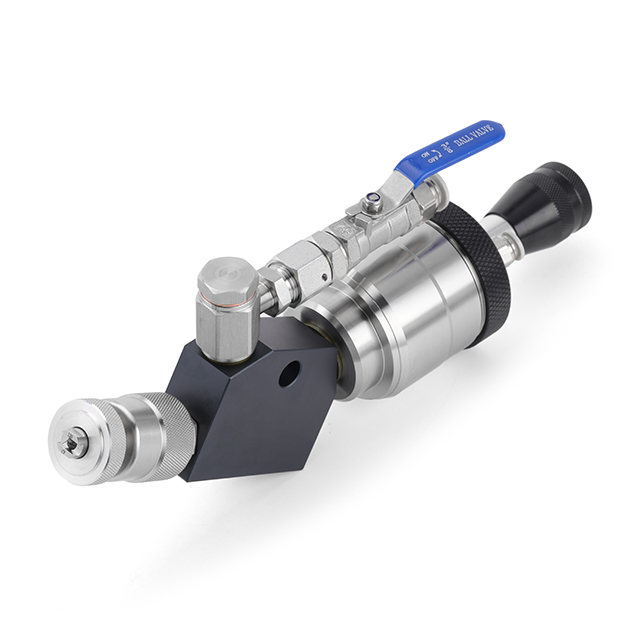
Isolating mechanical faults requires a highly systematic approach. You must determine whether the underlying issue lies in the fluid delivery, the compressed air supply, or the internal gun mechanism. Haphazardly disassembling components often introduces new problems. Effective Widospray gun troubleshooting relies on following a strict diagnostic logic tree. By isolating one variable at a time, maintenance teams can identify root causes faster.
Diagnostic Logic Tree for Spray Issues
Fault Area | Primary Symptom | Immediate Diagnostic Step |
|---|---|---|
Fluid Delivery System | Sputtering or material starvation | Check pump pressure and inspect lines for trapped air. |
Pneumatic Air Supply | Poor atomization or weak spray | Verify inline regulators and check for pressure drops. |
Gun Mechanism | Continuous dripping at the nozzle | Inspect internal needle packings and fluid seats for wear. |
Sputtering or pulsating spray patterns disrupt the polishing process instantly. This specific symptom usually indicates fluid starvation or pump cavitation. Trapped air inside the fluid delivery lines causes erratic pressure spikes. You should purge the delivery lines completely to eliminate any air pockets. Ensure your material pump operates within its designated pressure range. Sometimes, high-viscosity polishing compounds cause cavitation if the pump cycles too quickly.
Asymmetrical spray patterns point toward issues at the nozzle interface. A partially clogged fluid nozzle easily distorts the atomized fan pattern. Damaged air caps also redirect airflow unevenly across the fluid stream. You should soak the air cap in an approved cleaning solvent. Never use metal wire to clear delicate brass or stainless steel orifices. Additionally, verify you have set the atomizing air pressure correctly for your specific wax viscosity.
Fluid leakage at the nozzle creates messy work environments and wastes material. This issue almost always stems from worn internal components. Over time, abrasive polishing compounds degrade the needle packings and fluid seats. You must replace both the needle and the seat simultaneously to ensure a proper mechanical seal. Always verify your compressed air supply remains clean and completely dry. Moisture or debris in the air lines will rapidly destroy internal pneumatic seals before you even disassemble the apparatus.
Transitioning from reactive maintenance to proactive standardization drastically improves equipment uptime. Break-fix loops force production lines into unpredictable, costly shutdowns. Scheduled interventions allow engineers to address wear before catastrophic failure occurs. Standardizing your repair protocols ensures every technician executes procedures uniformly. You must formalize your preventative maintenance schedules to maximize hardware longevity.
Implementing a tiered maintenance checklist creates clear accountability on the factory floor. We recommend dividing these tasks into daily, weekly, and quarterly responsibilities.
Shift-Level (Daily): Operators must perform quick visual inspections before running production. They should execute basic flushing routines to clear residual wax. Finally, they need to clean the air cap to prevent material buildup.
System-Level (Weekly/Monthly): Maintenance personnel should monitor fluid and air line pressure stability. They must lubricate all moving mechanical linkages using manufacturer-approved greases. Technicians should also inspect delivery hoses for any kinking, swelling, or exterior degradation.
Component-Level (Quarterly): Senior technicians must perform deep inspections of all internal seals. They should extract and measure the fluid needles for dimensional wear. They must also examine the fluid nozzles under magnification to detect microscopic abrasions.
Executing an effective automatic polishing wax gun repair requires immense precision. Poor repair practices frequently cause secondary damage to expensive internal parts. Technicians must strictly adhere to the manufacturer's specified torque settings during reassembly. Overtightening the fluid nozzle easily strips delicate threads or distorts the spray pattern. Furthermore, technicians must avoid using abrasive cleaning pads or steel brushes on precision orifices. Scratches alter fluid dynamics permanently and ruin atomization efficiency.
Knowing exactly when to transition from repairing to replacing equipment prevents excessive operational waste. Your decision-stage logic must compare ongoing maintenance costs against the amortization of new machinery. Upgrading becomes necessary when labor and spare parts exceed the capital expense of modern systems. We have identified several trigger points signaling an immediate need for equipment replacement.
Chronic Part Failure: Systemic obsolescence manifests as recurring breakdowns. When identical components require replacement at accelerating intervals, the core hardware has reached its limit. Metal fatigue and thread degradation eventually render standard rebuilds entirely ineffective.
Throughput Bottlenecks: Modern manufacturing often requires faster production rates. Existing spray cycle times might fail to match the speed of newly installed polishing wheels. If your spray equipment slows down the overall assembly line, you must upgrade to high-speed applicators.
Material Formulation Changes: Manufacturers frequently shift to advanced polishing compounds to achieve better finishes. These new formulations often feature higher viscosities or highly abrasive particles. Legacy hardware specifications rarely accommodate these aggressive modern materials without suffering rapid internal degradation.
Automation Integration Requirements: Industry 4.0 demands intelligent factory ecosystems. Older pneumatic setups cannot support precise Programmable Logic Controller (PLC) integration. Upgrading provides essential real-time monitoring capabilities, closed-loop feedback systems, and automated pressure adjustments.
Compliance and Safety Overhauls: Regulatory agencies consistently implement stricter environmental mandates. Facilities must actively reduce airborne overspray and improve worker safety. Modern spray setups offer significantly higher transfer efficiency, which easily satisfies these stringent compliance requirements.
Selecting new equipment requires evaluating various solution categories against your production goals. You must decide between executing modular component upgrades or committing to full-system overhauls. Modular upgrades involve retrofitting advanced spray guns onto your existing fluid delivery lines. Full-system overhauls replace everything from the pumps and manifolds to the electronic controllers. Each approach carries distinct operational advantages and capital requirements.
Evaluating Upgrade Paths
Upgrade Path | Ideal Scenario | Implementation Risk |
|---|---|---|
Modular Gun Retrofit | Budget constraints exist, but improved atomization is required immediately. | New guns might overwhelm older, low-capacity fluid delivery pumps. |
Manifold Redesign | Expanding the number of spray stations on a single production line. | Requires moderate downtime for re-piping and pressure balancing. |
Full-System Overhaul | Moving to fully automated PLC environments with high-viscosity materials. | High initial capital expense and longer operator training periods. |
Your key evaluation dimensions must prioritize features driving measurable outcomes. Look for systems offering entirely independent fluid and atomizing air controls. Independent controls directly correlate to achieving tighter tolerances on wax application. Scalability represents another crucial evaluation dimension. You must determine if the new architecture handles multi-gun setups seamlessly. A truly scalable system accommodates future expansion without requiring a total manifold redesign later.
Assessing integration risks prevents costly deployment delays on the factory floor. You must verify compatibility between new electronics and your existing fluid delivery architecture. Check all mounting hardware dimensions to avoid custom fabrication expenses. Finally, vendor trustworthiness drastically impacts your long-term operational success. Prioritize suppliers providing easily accessible technical documentation and localized spare parts inventory. Transparent warranty terms remain critical for minimizing any future production downtime.
Optimizing your wax application process remains a continuous cycle of precise diagnosis and disciplined maintenance. Implementing proactive repair protocols significantly reduces unexpected mechanical failures and material waste. You must systematically track operational metrics to identify exactly when hardware degrades beyond acceptable thresholds.
While rigorous troubleshooting undeniably extends the lifespan of older equipment, it cannot overcome systemic obsolescence. Strategic hardware upgrades ultimately secure your long-term production capacity and stabilize daily operational costs. Investing in modern, automated fluid control systems yields highly predictable and repeatable finishing results.
We strongly recommend initiating a comprehensive audit of your current spray setup this week. Document your transfer efficiency rates and track your actual material consumption per shift. Contact dedicated technical sales engineers to perform a customized performance analysis detailing potential upgrade benefits.
A: Rebuild frequency depends directly on usage hours and material abrasiveness rather than arbitrary calendar dates. High-viscosity or heavily abrasive compounds often necessitate quarterly rebuilds. Standard wax formulations might allow for semi-annual intervals. Always consult the manufacturer specifications and monitor your daily spray patterns for early degradation signs.
A: Your internal maintenance team can perform standard repairs if they possess the correct precision tools and torque wrenches. Routine seal replacements and nozzle cleanings are easily managed in-house. However, complex factory recalibrations or repairing severely warped manifolds usually requires sending the unit to an authorized service center.
A: Upgrading your hardware rarely forces you to abandon your preferred polishing compounds. Modern systems typically handle a much wider range of material viscosities. However, you might need to adjust your fluid delivery pressures and atomization settings to optimize the fluid dynamics for the new spray architecture.
A: You calculate this ROI by adding your monthly savings from reduced wax waste to your recovered revenue from eliminated downtime. Factor in the financial savings gained from a decreased part defect rate. Compare this aggregated monthly savings against the upfront capital cost of the new automated equipment.


