


Views: 0 Author: Site Editor Publish Time: 2026-08-07 Origin: Site


Auto buffing lines rely on abrasive liquid polishing compounds. These fluid slurries power the entire finishing process. However, they rapidly destroy application equipment. Relying exclusively on OEM components drives up maintenance expenses significantly. Yet, installing substandard aftermarket parts carries immense risks. They can cause catastrophic line downtime almost instantly. Poor quality parts also produce inconsistent buffing finishes. Maintenance managers and procurement teams face a difficult dilemma every quarter. You need a strict, evidence-based framework to evaluate replacements. We designed this guide to help you find viable, cost-effective alternatives safely. You will learn how to select durable replacements without compromising performance. This ensures you maintain peak production while controlling your equipment budget.
Material matching is non-negotiable: Viable Widoberg nozzle alternatives must utilize high-grade tungsten carbide or hardened steel to withstand abrasive compound slurry.
Tolerances dictate performance: HDP-II nozzle replacement options require exact OEM-level machining tolerances to prevent leaking, sputtering, or compound waste.
Pilot testing mitigates risk: Implementing Widoberg alternative spray gun parts should begin with a single-station pilot test to verify spray pattern consistency and wear lifespan before full-line rollout.
Liquid polishing compounds act like continuous liquid sandpaper. Formulations containing aluminum oxide or tripoli strip away microscopic clear coat imperfections. They do this exceptionally well. However, they exert the exact same abrasive force inside your application guns. The fluid passages endure constant friction during every spray cycle. This relentless wear expands nozzle orifices. It degrades needle tapers over time. Eventually, precision spray patterns collapse into messy streams.
You must define strict success criteria before transitioning away from factory parts. A successful replacement strategy demands specific outcomes. First, the new part must maintain a consistent spray fan width. Second, you must see zero increase in fluid blockages. Third, the alternative part needs a lifespan equal to or better than the original component. You cannot compromise on these three operational metrics.
We must transparently address the OEM premium. Buying exclusively Widoberg spares across a high-volume line adds up quickly. A multi-station setup runs continuously. It burns through nozzles and needles at an astonishing rate. This creates a massive, recurring budget drain for procurement. Sourcing every single replacement from the original manufacturer restricts cash flow. It limits your ability to invest in other facility upgrades. Plant managers must look for operational leverage. Finding reliable alternatives becomes a strict business necessity.
You must break down the replacement landscape systematically. We categorize these solutions by their critical wear components. Each category requires a distinct evaluation approach.
Fluid Nozzles and Tips: These represent the highest wear items in your system. They dictate compound distribution across the buffing wheel. Their internal geometry governs fluid velocity.
Needles and Valve Stems: These internal rods are critical for instant shut-off. They prevent messy compound drips between application cycles. A sharp, precise taper is mandatory.
Seals and O-Rings: Maintenance teams often overlook these tiny components. However, they require highly compound-resistant elastomers. Materials like Viton or PTFE withstand aggressive chemical binders.
Specific manufacturing features directly impact your buffing line outcomes. Map these features carefully when evaluating Widoberg alternative spray gun parts. For example, micro-polished internal fluid passages offer massive benefits. They reduce compound caking inside the fluid body. This simple feature saves hours of manual cleaning time weekly. It also prevents erratic sputtering caused by internal pressure drops. Superior surface finishes on replacement needles reduce friction against the packing seals. This extends the life of the entire fluid block.
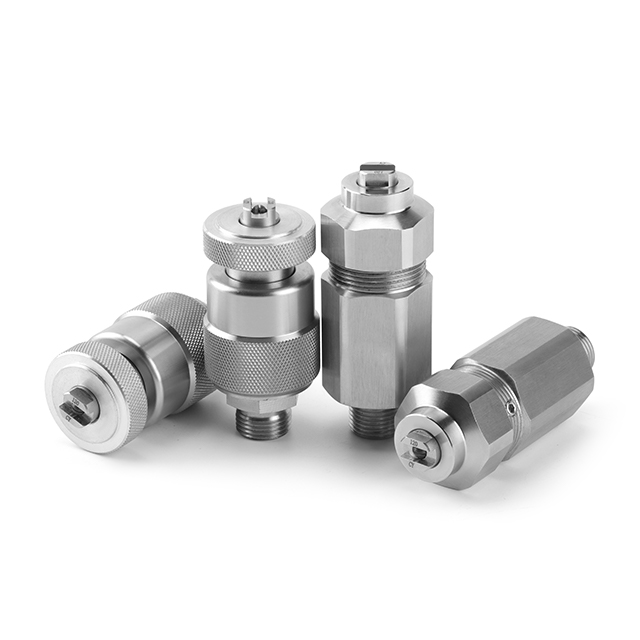
Replacing parts on high-pressure compound guns requires deep mechanical understanding. High-pressure systems operate under extreme stress. The fluid dynamics differ vastly from low-pressure setups. We must evaluate these components across strict mechanical dimensions.
Material hardness dictates operational survival. Standard stainless steel erodes rapidly under high-pressure slurry flow. The abrasive particles carve channels into softer metals. High-pressure compound application requires tungsten carbide inserts. Carbide maintains the precise orifice shape for months. It resists the shearing forces generated at the nozzle tip. Hardened steel offers a middle ground, but carbide remains the gold standard.
Spray pattern integrity relies entirely on this geometry. A degrading Widoberg nozzle alters the fan pattern drastically. A widened orifice dumps excess fluid into the center of the wheel. It starves the outer edges. This leads to highly uneven compound application. The buffing wheel suffers localized overheating. The friction burns the automotive clear coat. Ultimately, quality control rejects these damaged automotive parts.
We must maintain a balanced view regarding aftermarket options. Top-tier alternatives easily match original factory lifespans. They use identical carbide grades. However, ultra-cheap generic nozzles fail within days. High-pressure buffing conditions destroy poorly cast metals. You must secure a high-quality HDP-II nozzle replacement to avoid production nightmares.
Nozzle Material Performance Comparison
Material Type | Wear Resistance | Cost Factor | Recommended Application |
|---|---|---|---|
Standard 316 Stainless Steel | Low | Inexpensive | Low-pressure, non-abrasive fluids only |
Hardened Tool Steel | Medium | Moderate | Medium-pressure intermittent buffing |
Tungsten Carbide Insert | Extremely High | Premium | High-pressure, continuous auto lines |
Buyer skepticism is completely justified in this industry. A bad procurement decision shuts down the assembly line. We must address these implementation risks head-on. A poorly machined alternative needle causes severe internal damage. If the taper angle is slightly off, it scores the inside of the fluid body. Micro-abrasions turn into deep gouges. Eventually, the needle destroys the entire gun block. You lose hundreds of dollars trying to save twenty.
Verifying exact compatibility prevents this disaster. You must measure replacement parts meticulously before installation. Use precision micrometers and calipers. Verify the thread pitch against the factory original. Check the seating angles closely. Ensure the needle-to-nozzle mating creates a perfect, watertight seal. A leaky seal wastes expensive polishing compound continuously.
Compliance and safety remain top priorities. Auto buffing lines run at hazardous fluid pressures. Replacement parts must handle maximum system PSI safely. They cannot burst, crack, or leak under load. A ruptured fluid tip sprays abrasive slurry everywhere. It endangers line operators and damages nearby machinery. Verify the pressure ratings with the supplier beforehand. Reputable manufacturers test their parts beyond standard operating limits.
You need a logical framework for vetting aftermarket suppliers. Never buy parts blindly from online catalogs. Follow a strict three-step vetting process.
First, always request material certificates from the vendor. You need proof they use real tungsten carbide. Second, check for domestic or highly accessible inventory. Waiting weeks for a shipment from overseas causes unacceptable delays. Third, verify their return policies on untested parts. If a needle fails to seat properly, you must be able to return the batch.
Once you select a supplier, proceed to the Pilot Protocol. This controlled test minimizes your exposure to risk.
Isolate one single buffing station for the test. Do not change parts across the entire line.
Install the replacement nozzle and document the baseline spray pattern on cardboard.
Track daily compound usage meticulously. Measure internal wear with precision pin gauges over a 30-day shift cycle.
Compare the overall performance, wear rate, and reliability against the OEM baseline to make a final procurement decision.
This protocol gives you hard data. You remove emotion and guesswork from the purchasing process. The numbers will clearly show if the alternative part holds up.
Transitioning to alternative replacement components acts as a highly effective cost-saving measure. However, strict material standards must govern this process. Controlled testing prevents unexpected disasters on the floor. You hold the power to reduce maintenance budgets safely.
We advise procurement teams to avoid evaluating parts purely on unit price. Prioritize manufacturing partners who truly understand fluid dynamics. They must grasp how abrasive polishing compounds behave under pressure. Cheap parts always cost more in the end.
Take action today by upgrading your evaluation process. Reach out to reputable suppliers. Encourage your team to request a sample nozzle or needle. Run a risk-free pilot test on your line this month. The data will guide your future purchasing strategies perfectly.
A: Yes, provided you source them from reputable manufacturers. High-quality alternatives are precisely machined to handle standard buffing line pressures safely. These systems typically run up to 100-150 bar. As long as the supplier uses the correct high-strength alloys, the parts perform identically under high pressure.
A: Look for three distinct visual indicators during operation. First, the spray fan will appear irregular or heavily narrowed. Second, you will notice an unexplained increase in daily compound consumption. Finally, the gun will lose its ability to fully shut off, resulting in constant dripping.
A: They are entirely safe if you verify elastomer compatibility first. Polishing compound binders often degrade standard rubber rapidly. You must specify PTFE, Teflon, or specific Viton blends. These chemical-resistant materials prevent degradation and ensure a tight seal.
A: Savings are usually realized immediately upon bulk purchase due to lower upfront costs. However, securing long-term ROI requires the alternative parts to last at least 80-100% as long as the OEM equivalents. If they meet this lifespan metric, your annual maintenance budget will drop significantly.


